

The Backbone of Every Beautiful Garden
Shape your landscape with the form, fragrance, and functionality of shrubs and shrub roses. These easy-care favorites bring color, structure, and beauty to any outdoor space—season after season.
Shrubs and shrub roses are some of the most hardworking and versatile plants in the landscape. Whether you’re looking to add a blooming focal point, fill foundation beds, or create a layered planting design, these long-lasting beauties offer year-round appeal. With options for sun or shade, wet or dry soils, and compact or sprawling growth, there’s a shrub for every space and every style.
At Steinbrink, we’ve selected varieties that perform well in Nebraska’s climate—offering color, fragrance, and form without demanding constant attention. And with seasonal blooms, stunning foliage, and winter interest, shrubs are more than filler—they’re the frame that makes your garden shine.
Popular Shrub Types
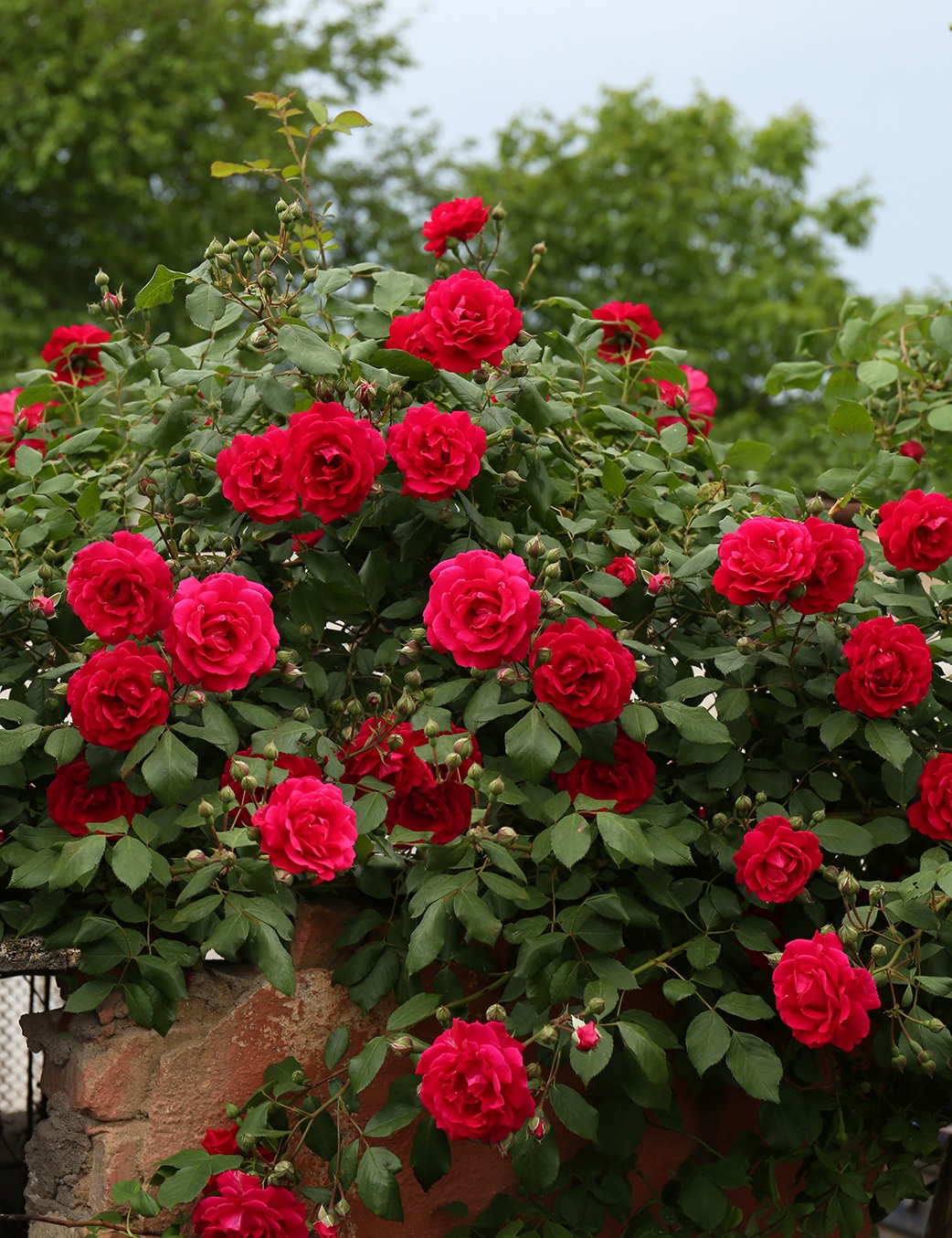
Shrub Roses
Shrub roses offer the timeless beauty of traditional roses with far less fuss. Known for their dense, bushy growth and repeat blooming cycles, these roses come in a range of colors and sizes perfect for beds, borders, and standalone plantings. They’re hardy, disease-resistant, and perfect for both new gardeners and seasoned pros.
Classic Shrubs
From vibrant spireas and hardy viburnums to fragrant lilacs and colorful ninebarks, our shrub selection includes reliable favorites for every garden space. These landscape anchors can serve as privacy screens, pollinator havens, or seasonal showstoppers—bringing structure and personality to any outdoor setting.
Foundation Plantings
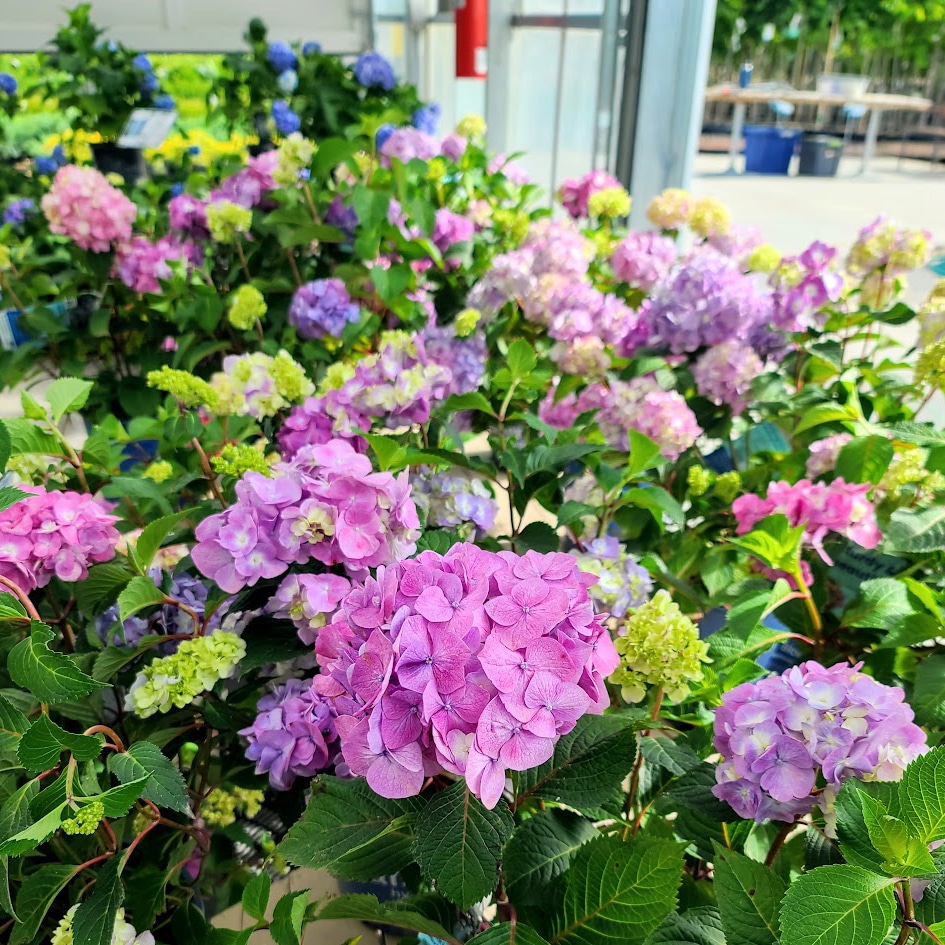
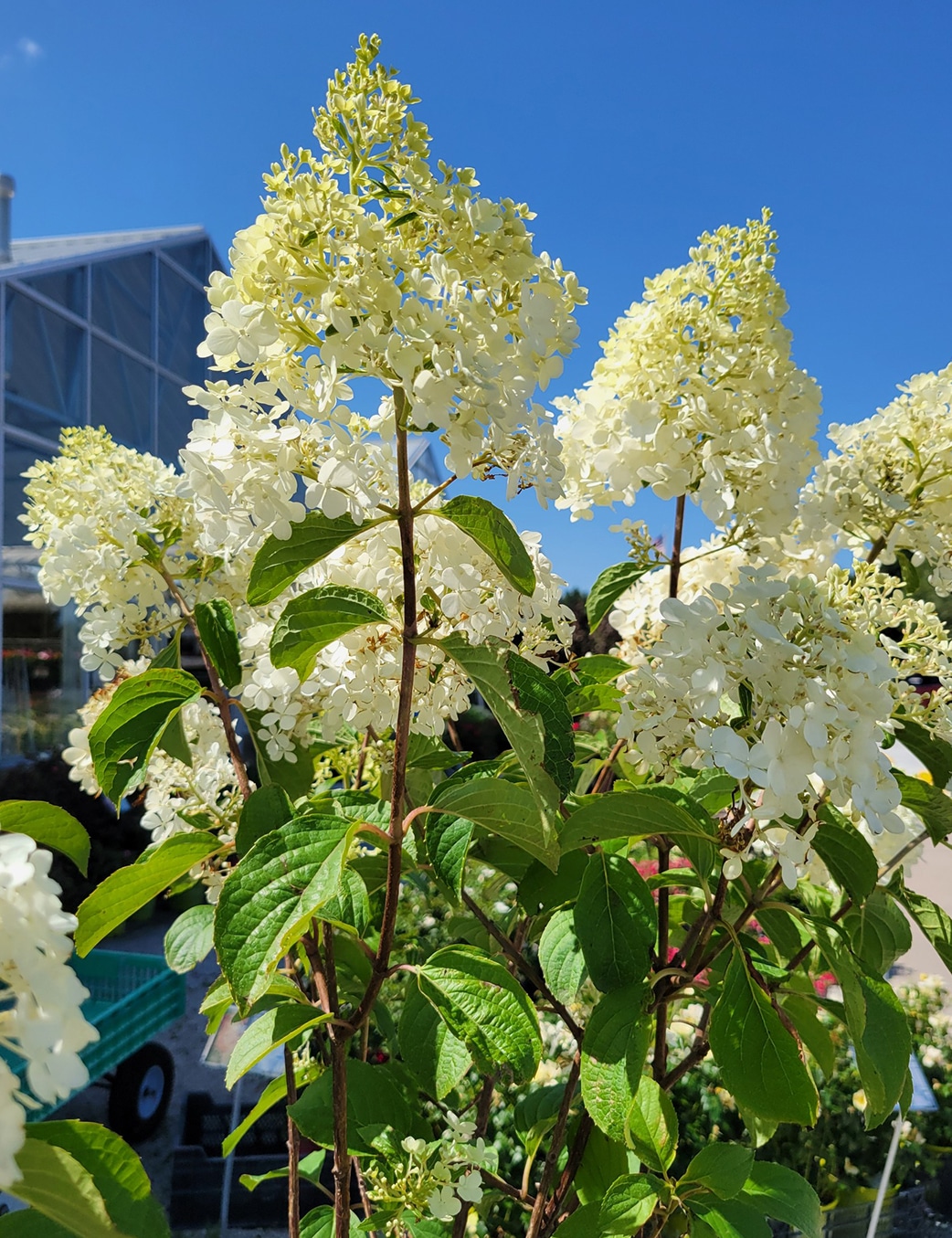
Well-placed shrubs are vital for a cohesive landscape. Evergreens and flowering options such as boxwood, hydrangea, or dwarf lilac soften your home's architectural lines while providing year-round structure, color, and curb appeal. Opt for varieties with different bloom times or leaf colors to keep your garden vibrant from spring to fall. With thoughtful spacing and minimal maintenance, these foundation shrubs deliver enduring beauty and practical advantages.
Layered Beds & Borders
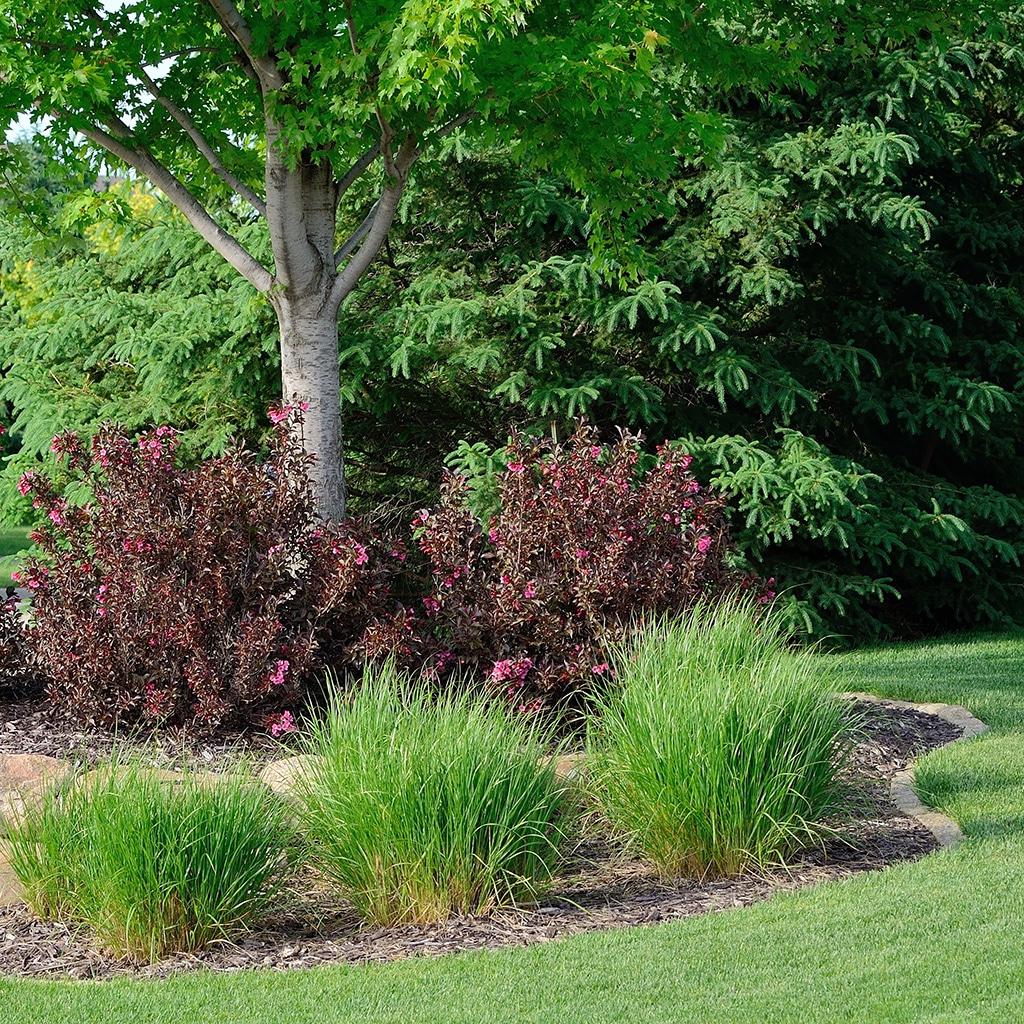
Layering shrubs with perennials, ornamental grasses, and seasonal annuals creates beautiful garden beds. Shrubs provide height and texture, grounding the design while allowing smaller plants to thrive. Pair spirea or ninebark with vibrant salvia, coneflowers, or sedum for an eye-catching seasonal display. This approach not only enhances aesthetics but also supports plant health by offering protection from wind and sun, benefiting pollinators, and improving soil moisture retention.
Privacy Screens
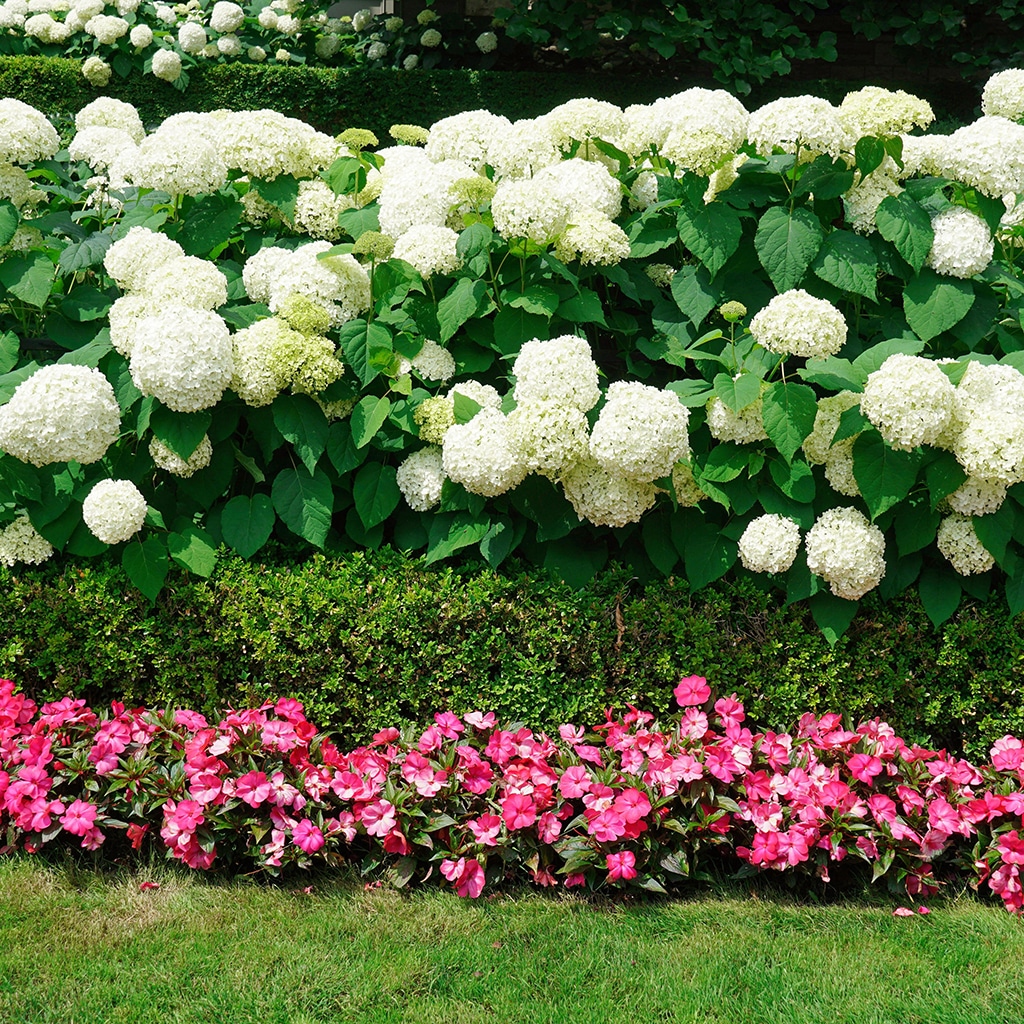
Enhance your outdoor space with tall or wide-spreading shrubs like viburnum, arborvitae, or hedge roses for a natural privacy screen. Unlike fences, these living walls offer seasonal changes—blooming in spring, lush in summer, and vibrant in fall. Strategically placed shrubs can create distinct areas in your yard, such as a cozy reading nook or a private entertaining spot. Consider adding low-voltage lighting or groundcover for a refined, professional touch.
Planting & Care Tips
Planting - Choose a location with the right light (sun or part shade depending on the variety) and prepare the soil by mixing in organic compost. Dig a hole twice as wide as the root ball, plant at the same depth, and water deeply to help roots settle. Allow space for mature growth to prevent crowding.
Watering - Water new shrubs every 2–3 days during the first few weeks. After establishment, most shrubs need only occasional deep watering—especially during dry spells. Mulching helps retain moisture and reduce weeds.
Pruning - Most shrubs benefit from light pruning in early spring to shape and encourage new growth. Deadheading spent flowers on flowering varieties promotes repeat blooms. Avoid heavy pruning in late fall, as it can cause stress before winter dormancy.
Mulching & Fertilizing - Add a 2–3” layer of mulch around the base (but not against the trunk) to regulate temperature, suppress weeds, and retain moisture. Use a balanced, slow-release fertilizer in early spring for healthy growth and vibrant blooms.