Add Shade, Color, and Character to Your Yard
Whether you're planting for privacy, cooling your home, or adding color to your landscape, our tree collection offers lasting impact, seasonal variety, and local adaptability.
Trees are the anchors of any great landscape. They offer shelter, clean the air, attract birds and pollinators, and provide beauty that evolves with the seasons. From elegant deciduous trees to practical fruit trees and evergreen privacy screens, our locally hardy varieties are selected to thrive in Nebraska’s changing climate.
Whether you're looking to block wind, cool your home naturally, or grow your own apples and peaches, we’re here to help you choose the right tree for your goals and space.
Why Trees Matter in Every Landscape
Trees are one of the most powerful, long-term additions you can make to your landscape. Beyond their beauty, trees provide tangible environmental and economic benefits. Strategically placed shade trees can lower energy costs by cooling your home in summer and blocking harsh winter winds. Their natural cooling effect makes outdoor spaces more comfortable and welcoming, while also reducing your household’s carbon footprint.
But trees do more than just help your wallet—they help the planet. Trees purify the air, filter rainwater, and stabilize soil to prevent erosion. They also provide essential habitat for birds, pollinators, and beneficial wildlife. By planting a tree, you create a mini-ecosystem right in your yard, supporting local biodiversity and natural balance.
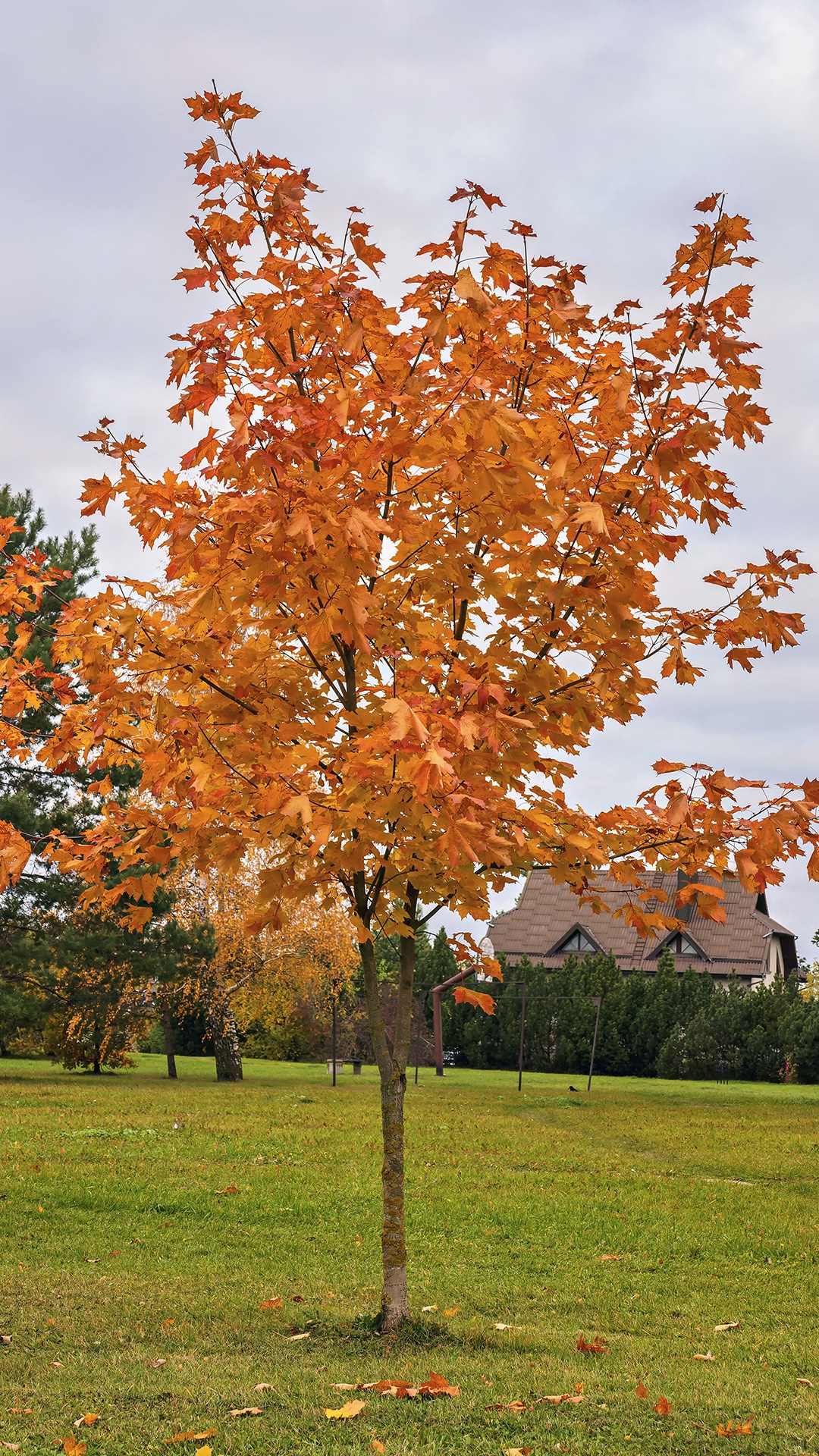
Perhaps most importantly, trees grow more valuable over time. Their changing foliage brings beauty through all four seasons, and their presence adds charm, character, and shade that enriches your daily life. Whether it’s a flowering crabapple outside your kitchen window, a row of evergreens offering backyard privacy, or a towering oak that grows with your family, trees leave a legacy. They’re not just plants—they’re investments in beauty, sustainability, and a better future.
Front Yard Focal Points
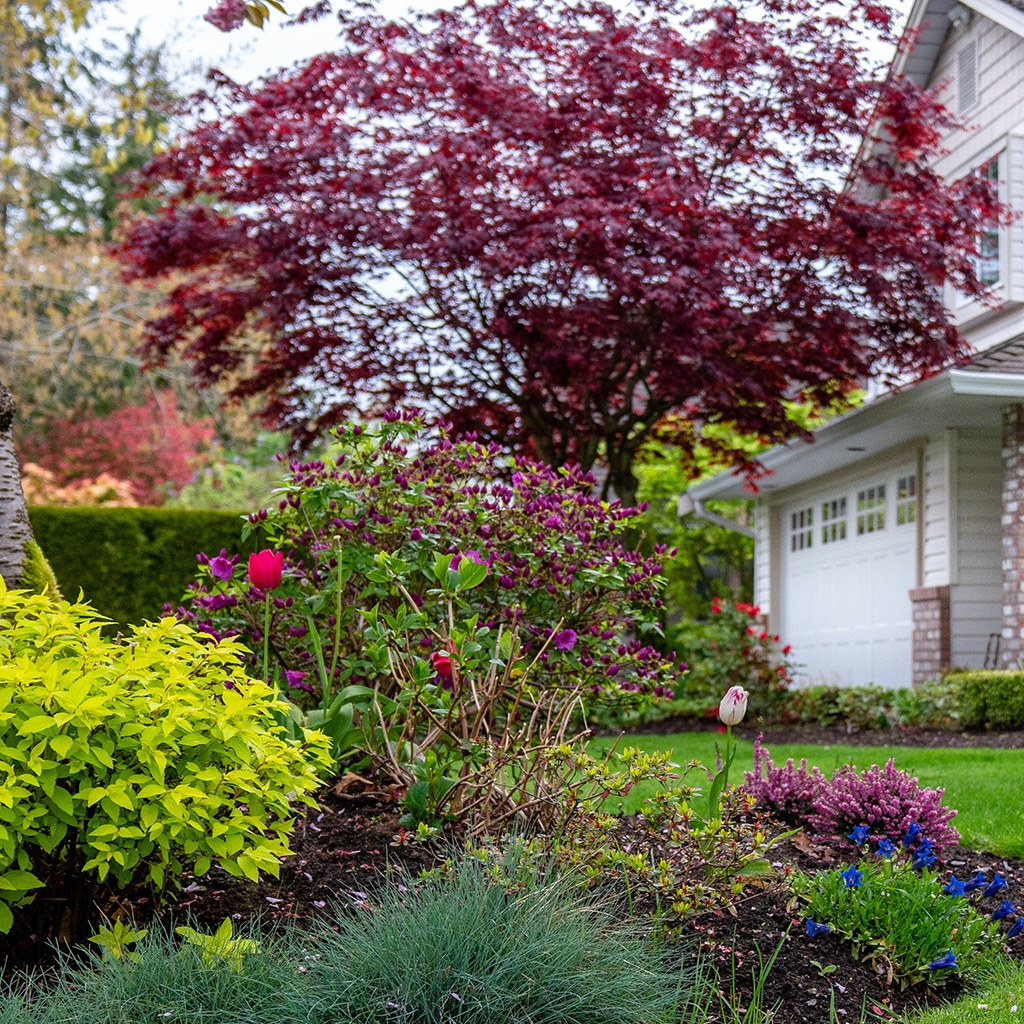
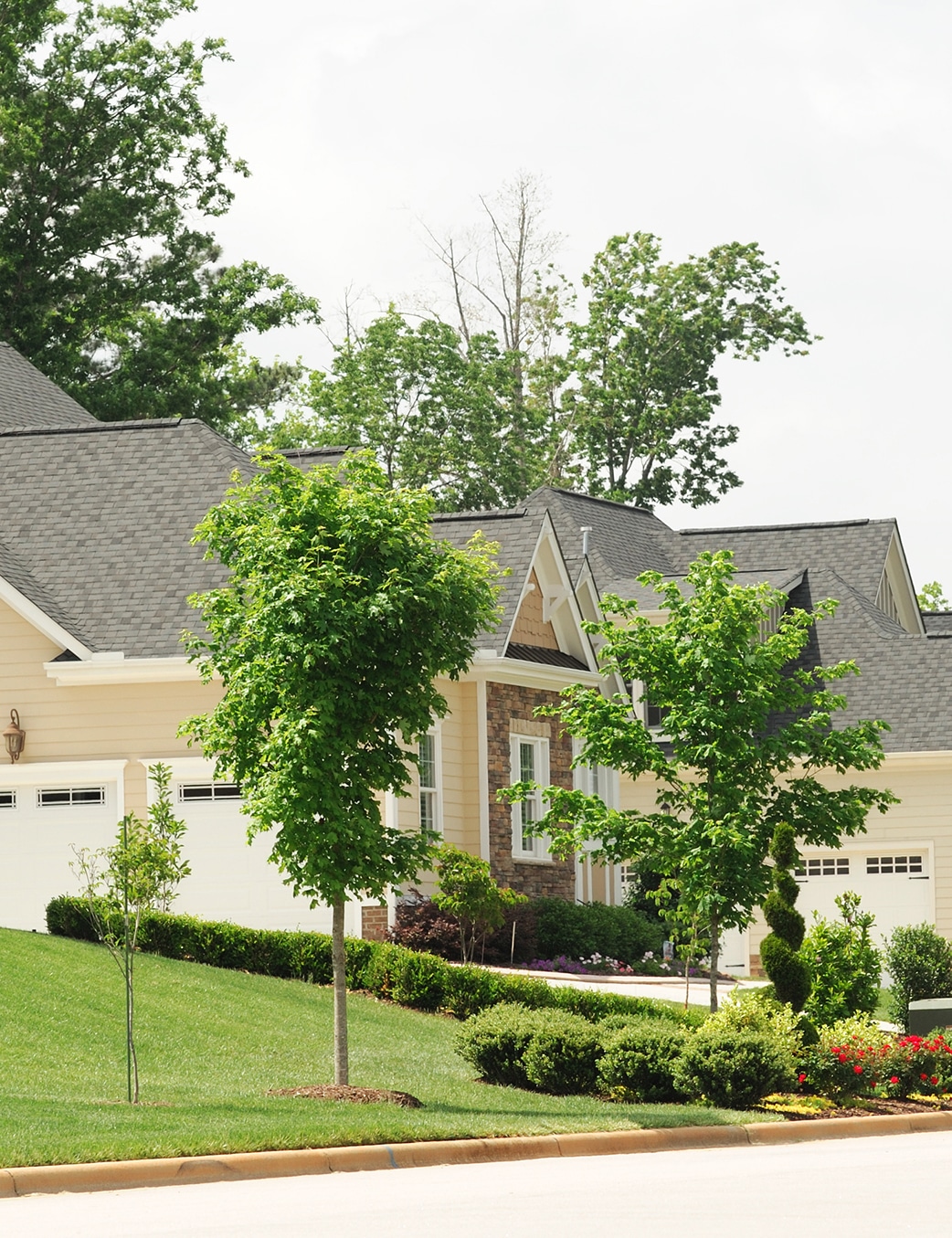
Ornamental or flowering trees can elevate your front yard, creating an inviting atmosphere. Varieties like crabapples, redbuds, or maples bring vibrant color and structure near driveways and walkways, enhancing curb appeal. Their seasonal blooms and suitable size offer visual interest without dominating the space, making your front yard a unique showcase of your home.
Shade & Privacy
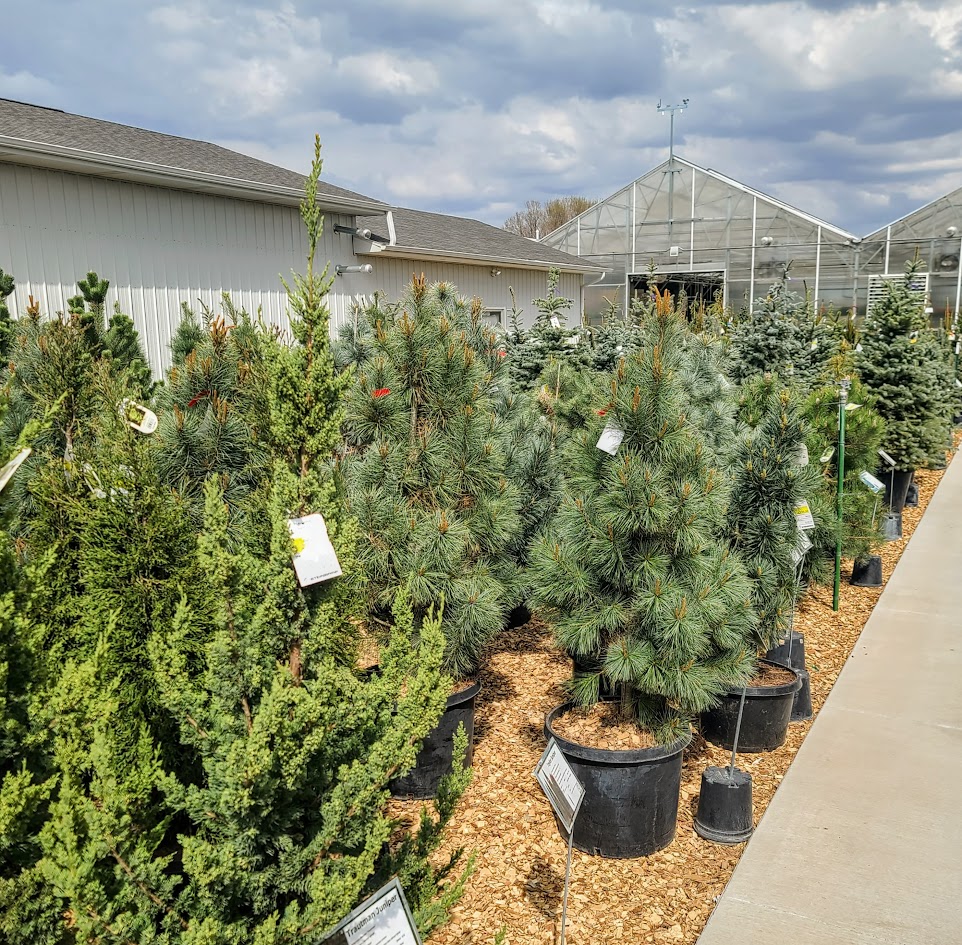
Trees provide natural comfort and privacy in your backyard. Deciduous trees like maples, oaks, and lindens create broad canopies for summer shade while allowing winter sunlight. Evergreens such as spruce, arborvitae, and pine serve as dense barriers, offering year-round privacy and noise reduction. Whether enjoying the patio or hosting a barbecue, trees define your space and transform it into a secluded retreat.
Edible Landscapes
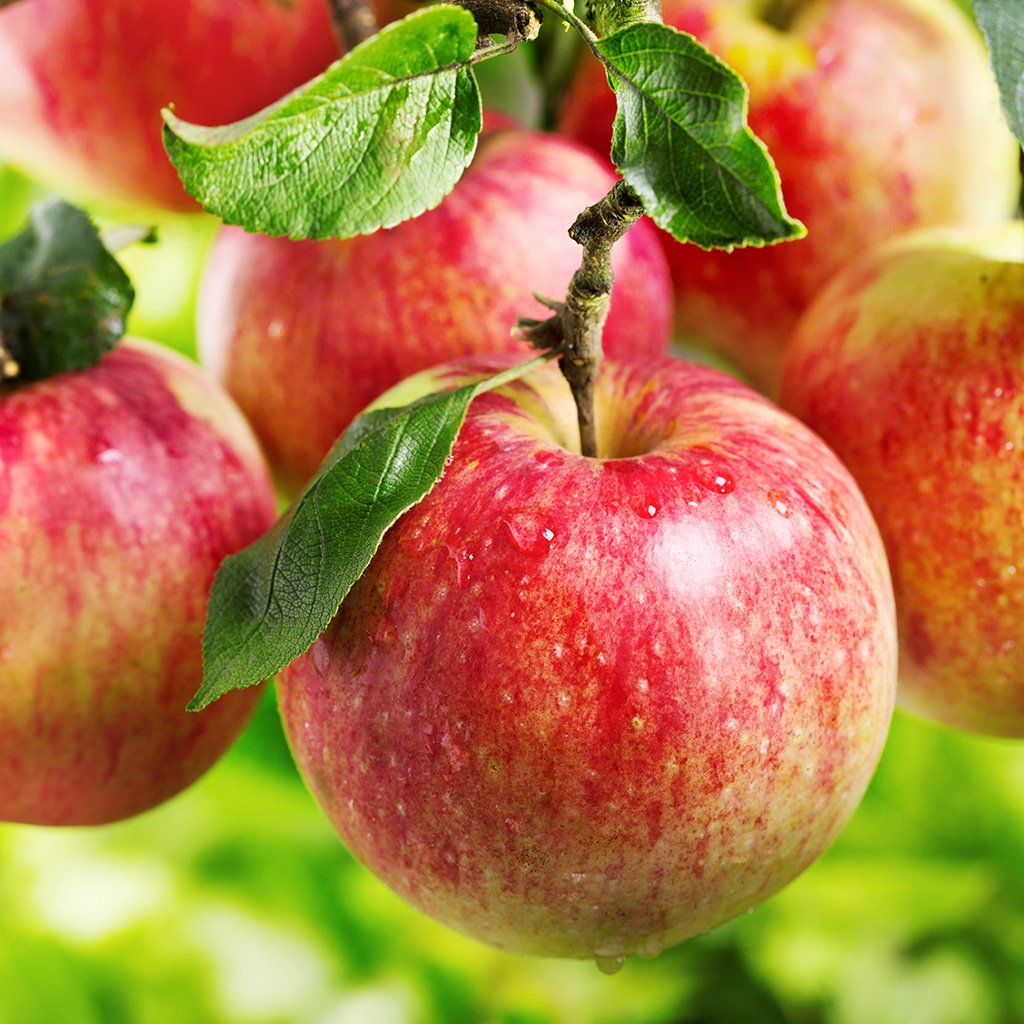
Fruit trees beautifully combine function and aesthetics in one planting. Delight in spring blossoms followed by juicy apples, pears, or peaches from your backyard. These trees offer ornamental appeal and fresh produce for your family to enjoy for years. With dwarf and semi-dwarf options, they fit perfectly in small yards and landscape beds, making them ideal for edible gardens or colorful flower beds.
Choosing the Right Tree
The first step to successful tree planting is selecting the right species for your space and goals. Consider your available sunlight, soil type, moisture levels, and how much space the tree will need at full maturity—both above and below ground.
Want cooling shade?
Go with a wide-canopy deciduous tree like a maple or oak.
Need a privacy screen?
Choose evergreens like arborvitae or spruce.
Looking to grow your own fruit?
Apples, peaches, and cherries are great options in Nebraska’s climate.
Also think about seasonal impact—some trees flower in spring, others display bold fall color. Our team can help guide you to a tree that will thrive in your landscape for years to come.
Planting Basics
Proper planting sets the stage for healthy growth.
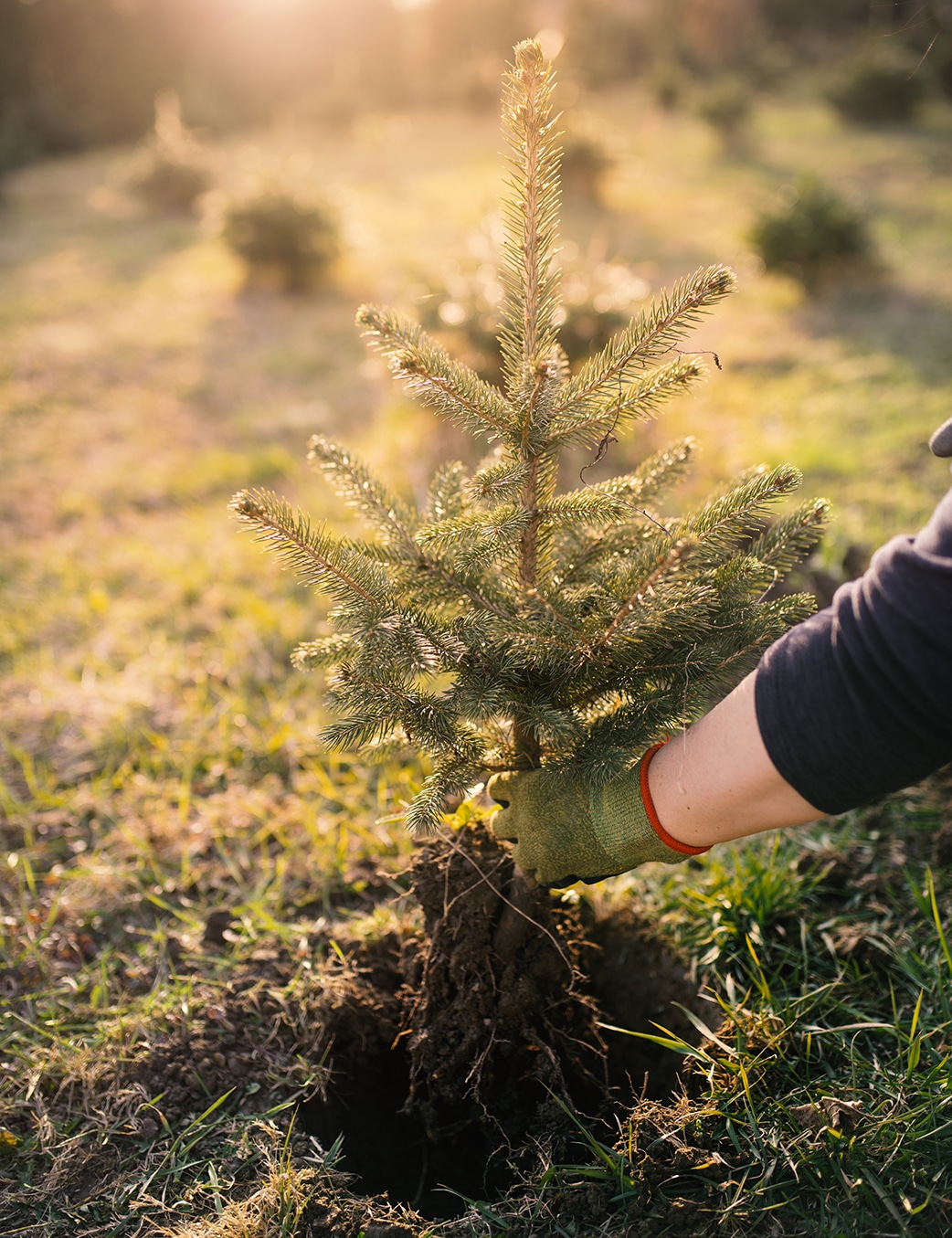
Begin by digging a hole twice as wide as the tree’s root ball and just as deep. Loosen the soil at the bottom to encourage roots to spread, and gently remove the tree from its container or burlap wrap. Place it in the hole so that the top of the root ball is level with the surrounding soil—never deeper. Backfill with a mix of native soil and compost, then water thoroughly to settle the soil.
Add mulch around the base to retain moisture and suppress weeds, but keep it a few inches away from the trunk to prevent rot. Finish by staking the tree if needed, especially in windy areas, and monitor its stability during the first season.
Watering
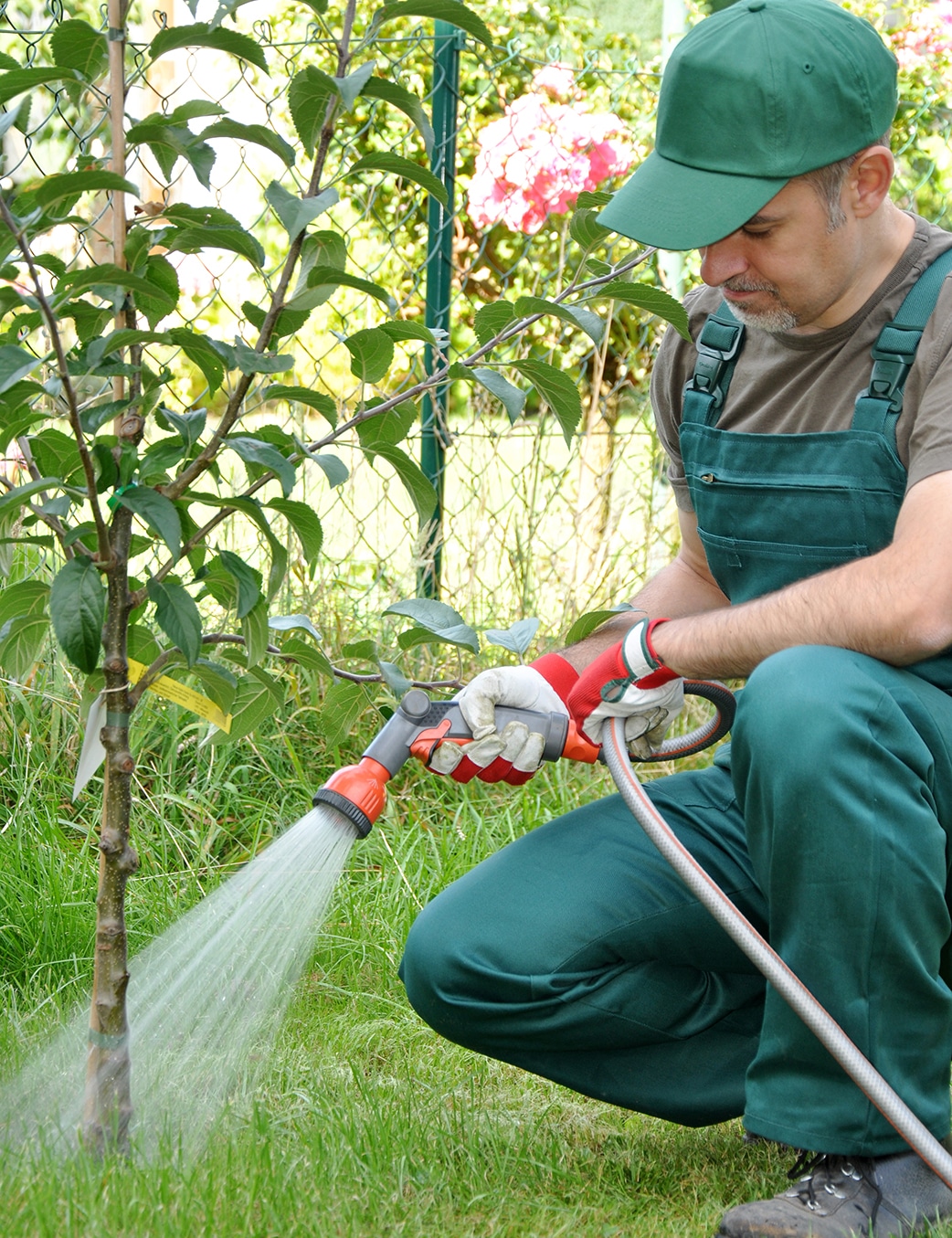
The most common cause of transplant failure is underwatering during the first year. Young trees need consistent, deep watering to establish strong root systems. For the first few weeks after planting, water every 2–3 days depending on weather.
Then gradually reduce frequency while increasing the volume of water per session. A good rule of thumb is 10–15 gallons per week during the growing season. Use a slow-drip hose or bucket with holes to encourage deep root penetration. Established trees (after 1–2 years) typically need less water and can rely more on rainfall—though supplemental watering may be needed during hot, dry spells.
Pruning & Maintenance
Pruning helps shape a young tree, remove damaged or diseased limbs, and maintain overall health.
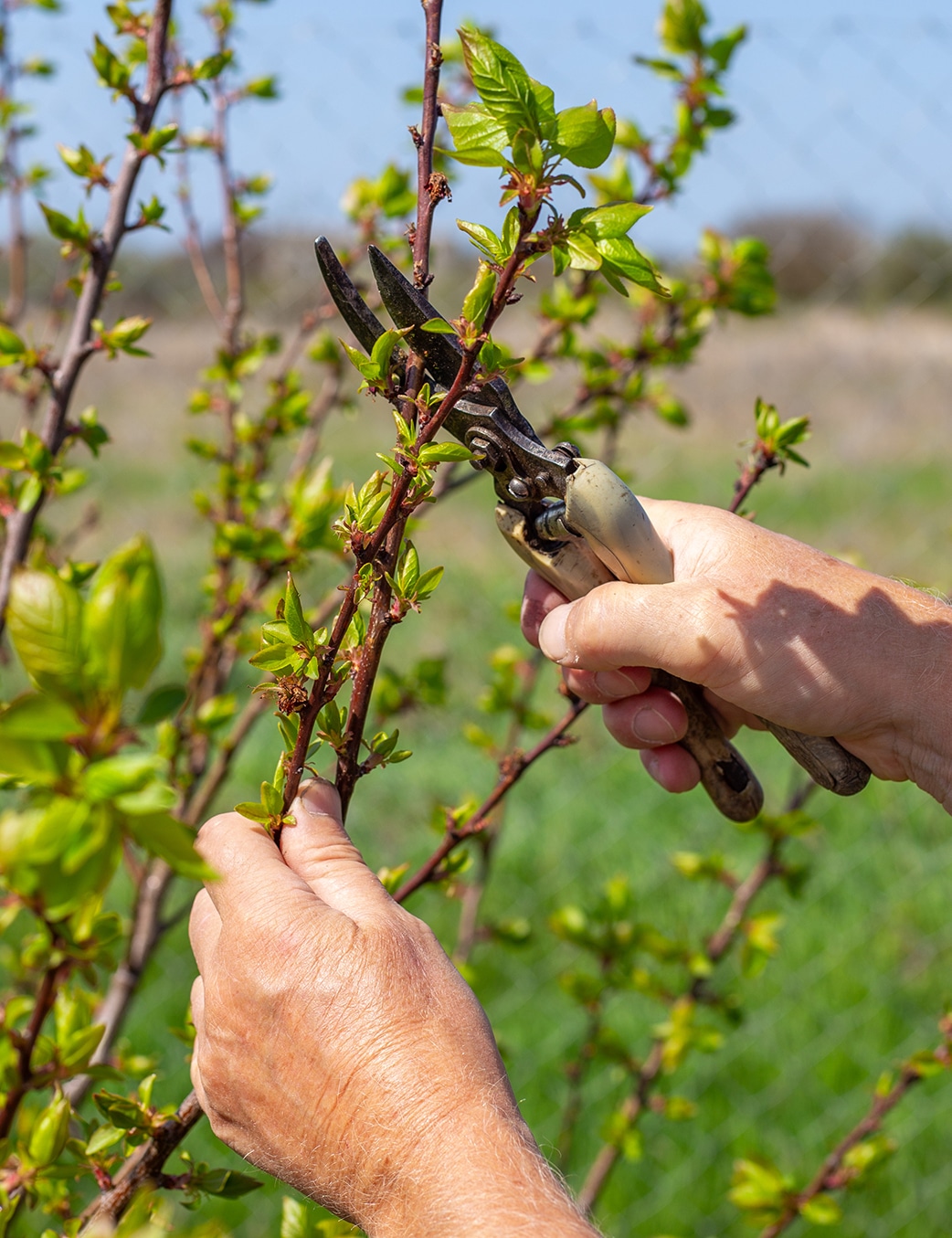
The best time to prune most trees is late winter or early spring before new growth begins. Use clean, sharp tools to make smooth cuts just outside the branch collar—never flush with the trunk. Avoid heavy pruning during active growth, as this can stress the tree.
As your tree matures, occasional thinning of interior branches improves air flow and prevents overcrowding. Keep an eye out for signs of insect damage or fungal disease, and address problems early. With a little routine care, your tree will reward you with decades of shade, beauty, and vitality.