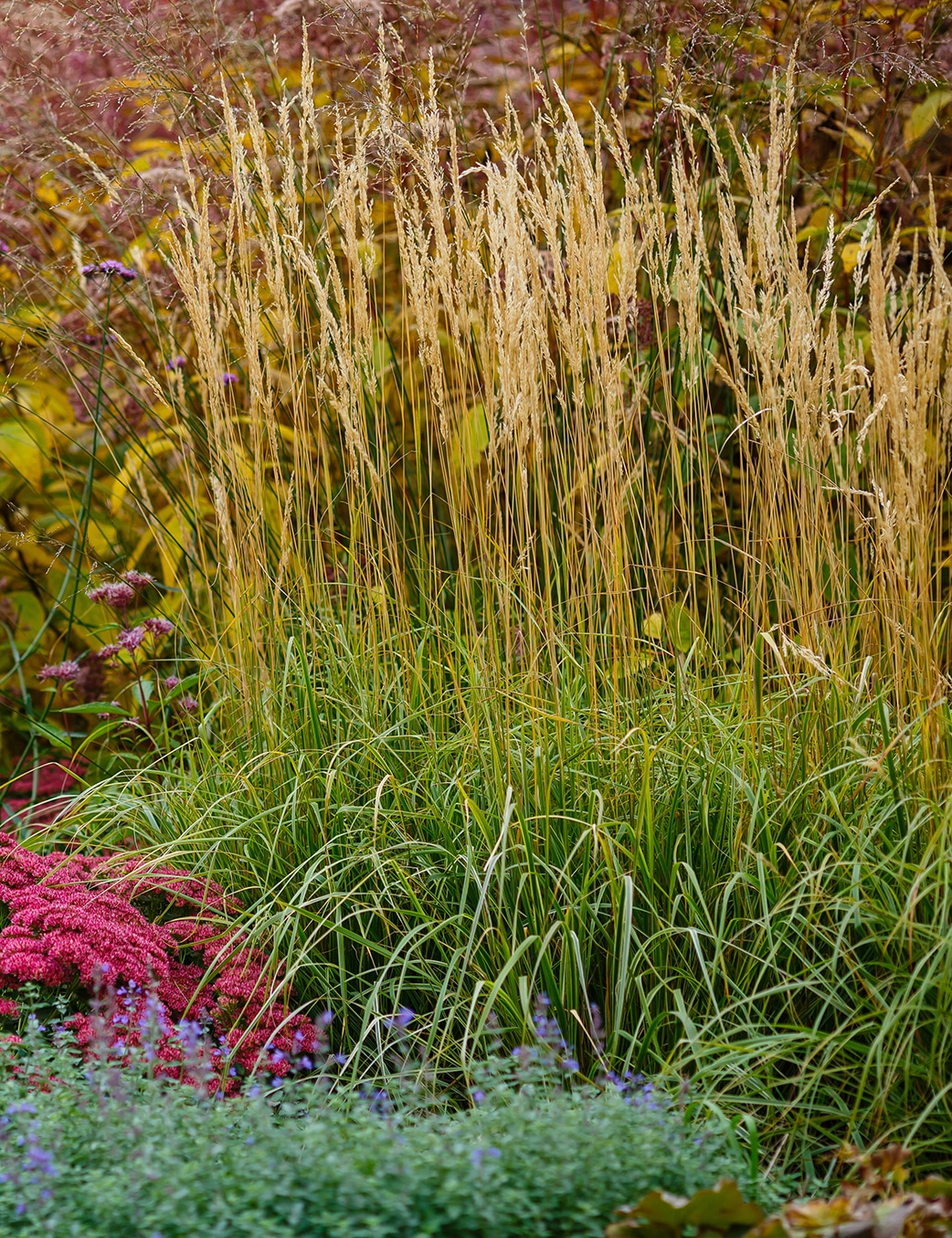
Graceful, Effortless, and Always in Style
Create soft motion and structure in your landscape with grasses that thrive in Nebraska’s climate—from native varieties to striking Miscanthus.
Ornamental grasses are more than background plants—they’re graceful focal points that move with the breeze, contrast with bold blooms, and offer structure all year long. These low-maintenance favorites enhance beds, soften edges, hide unsightly areas, and elevate any outdoor space with natural charm.
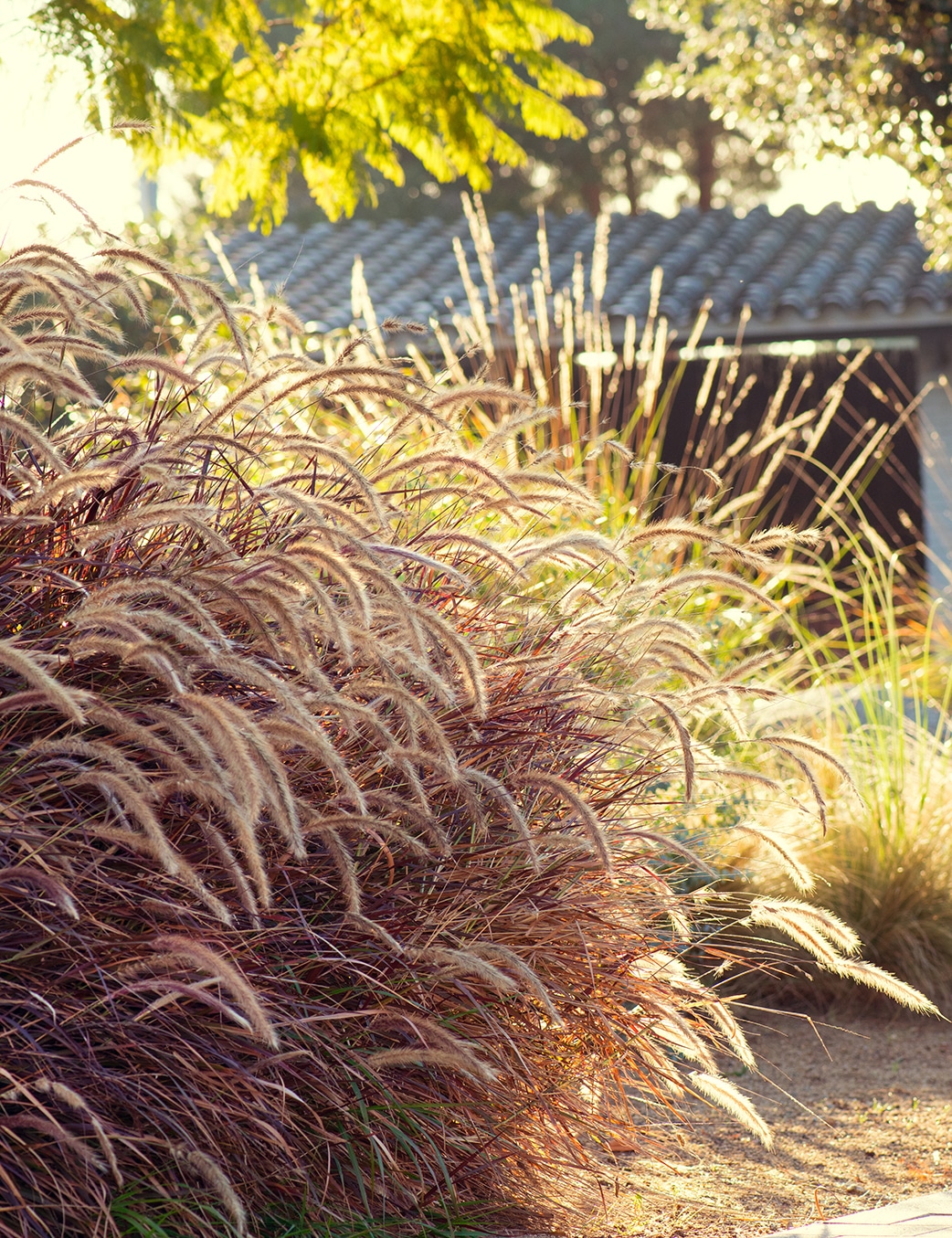
Native Grasses
Reinvigorate your landscape by embracing the rich heritage of Nebraska’s prairie with native grasses that offer not only beauty but also environmental benefits.
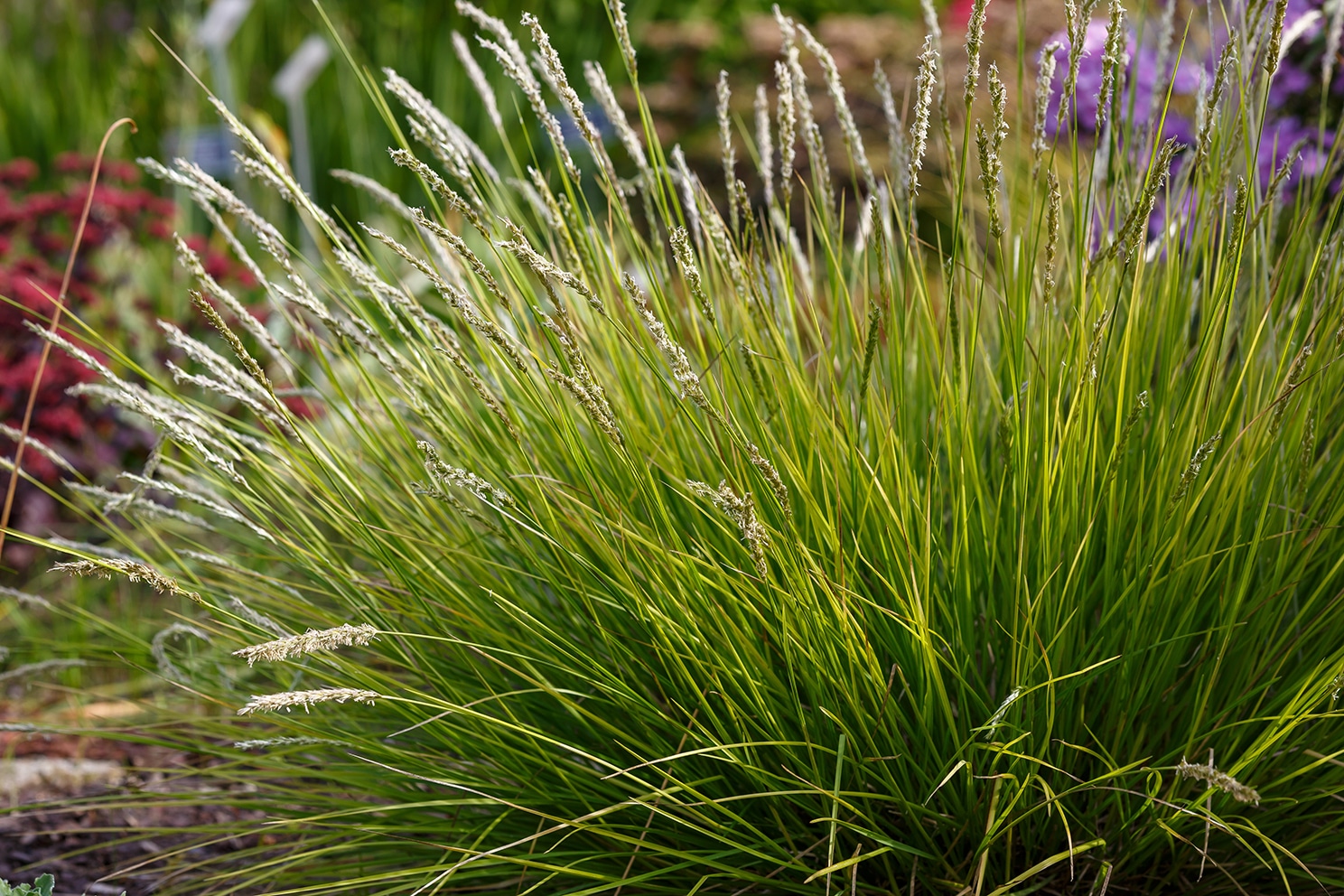
These graceful clumping grasses provide vertical height and captivating texture while adding a gentle movement to your outdoor space. They bloom brilliantly in the fall, maintain their striking presence through the winter months, and create an impressive visual whether planted in large groups or as standout specimens.
Native grasses are an ideal choice for those seeking sustainable, low-maintenance options that enhance the naturalistic aesthetic of any garden, making them especially beneficial for welcoming pollinators and supporting local ecosystems.
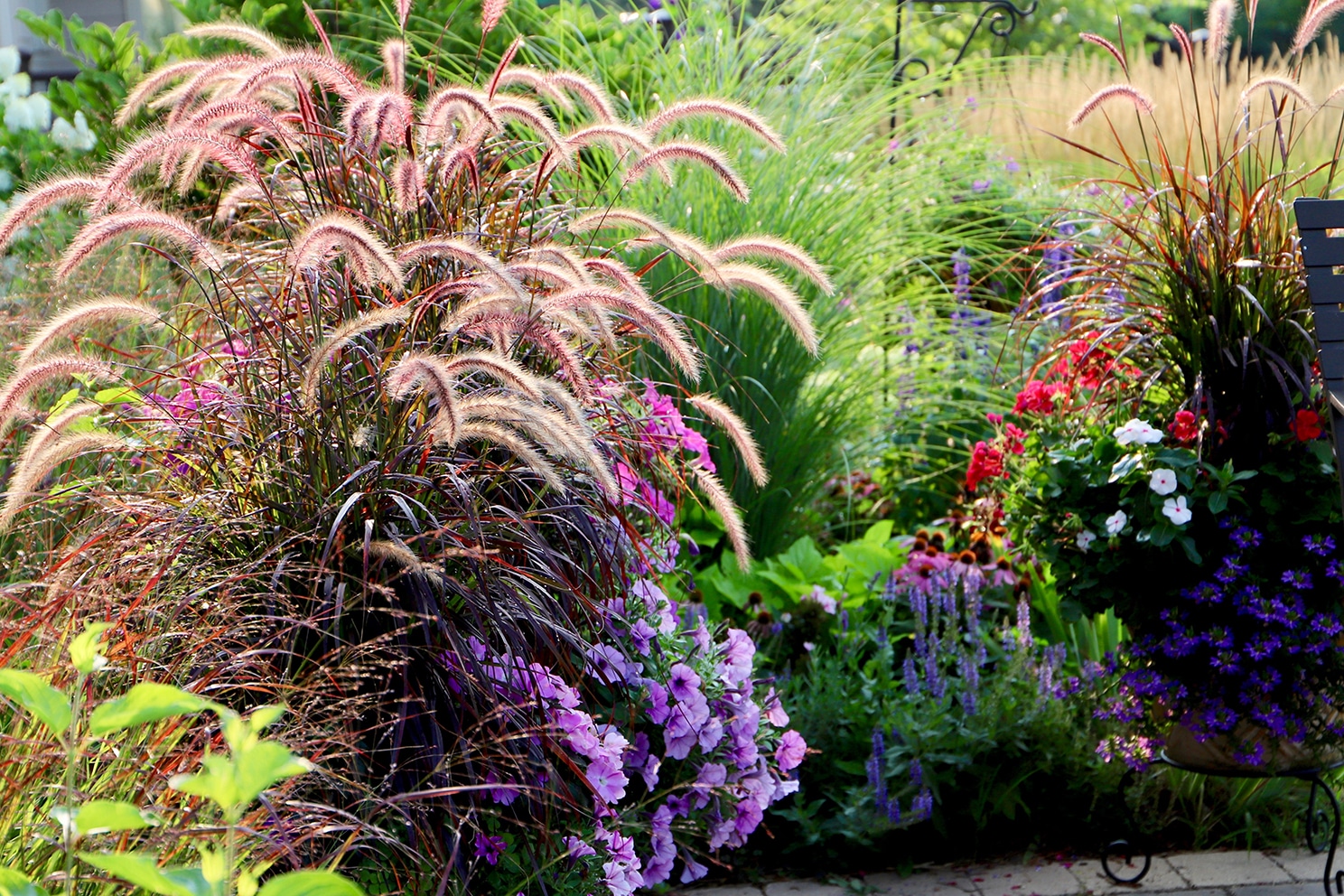
Popular Grass Types
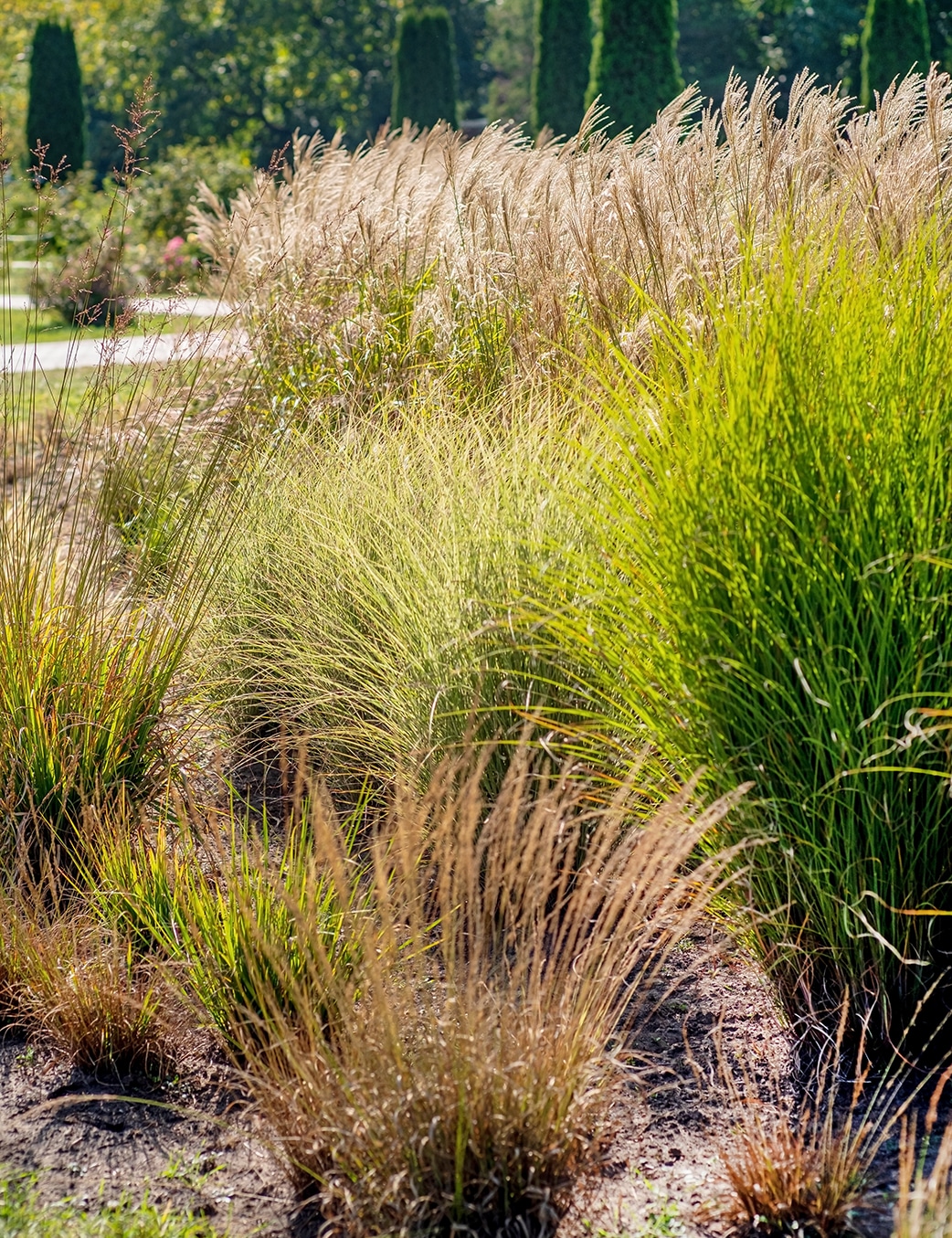
From the elegant plumes of Miscanthus to the resilience of native grasses like Little Bluestem, our ornamental grass selection brings beauty and biodiversity to every Nebraska landscape. Whether you prefer structured height or a natural prairie vibe, these grasses thrive in sun and add motion, texture, and interest all year long.
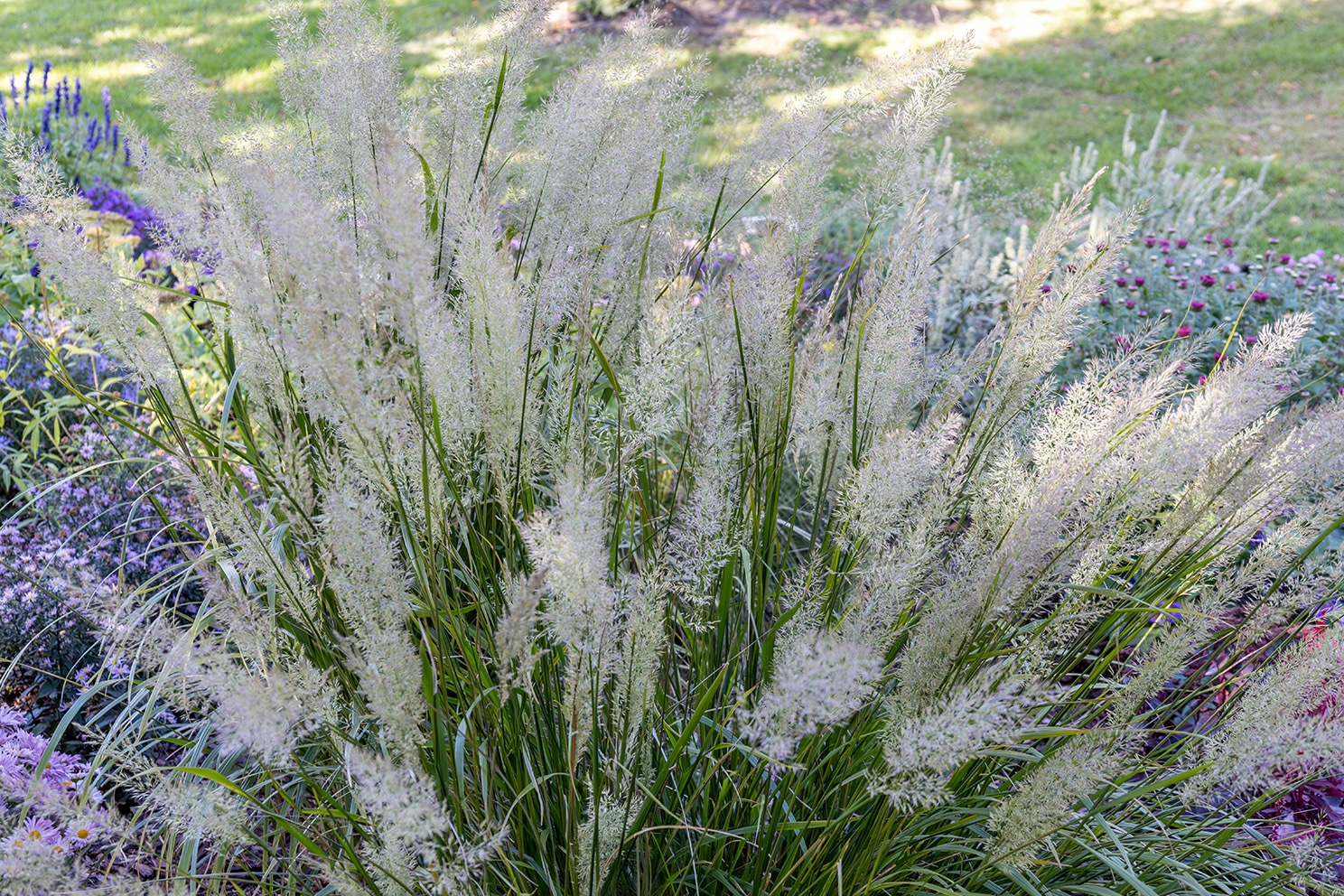
Style Your Space
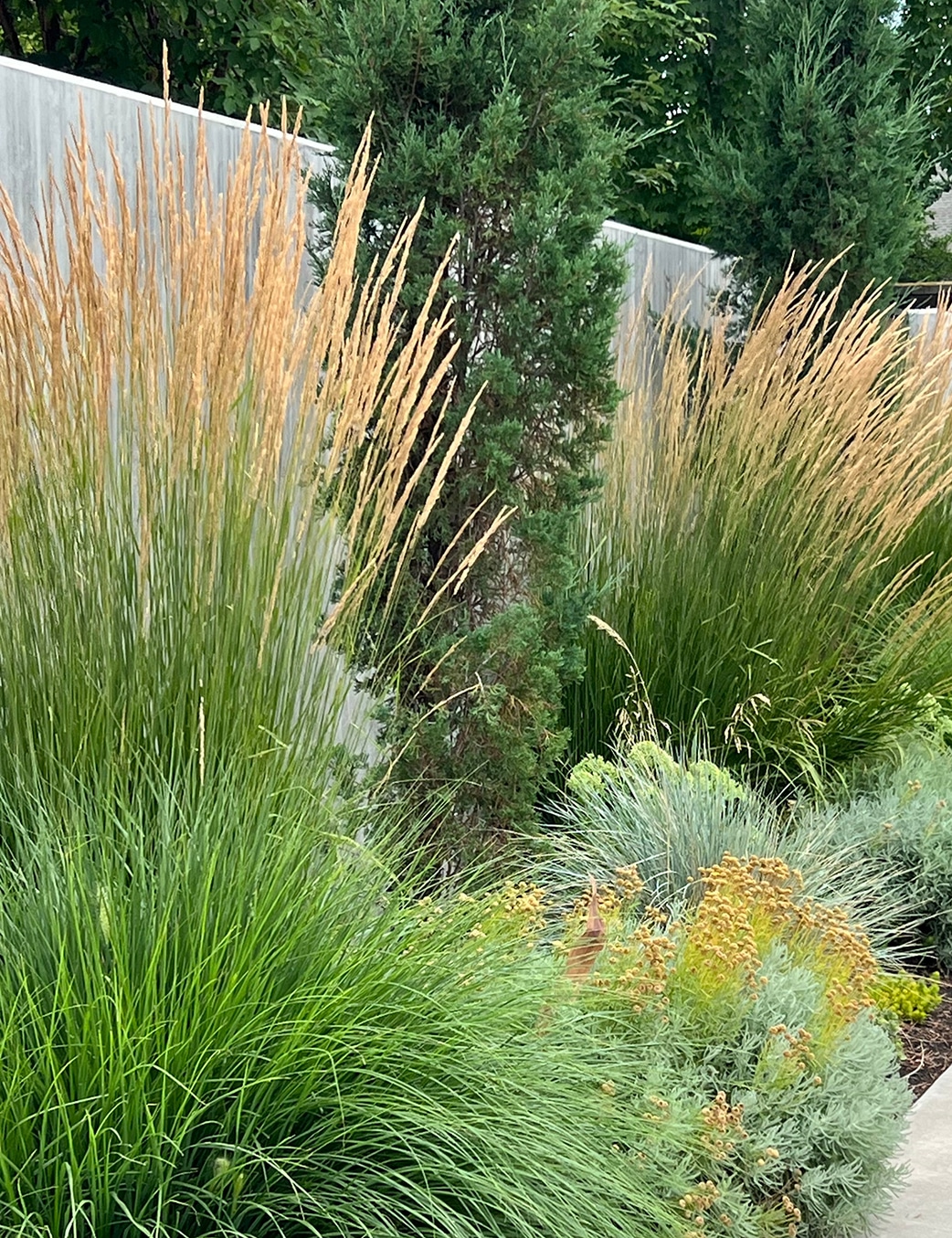
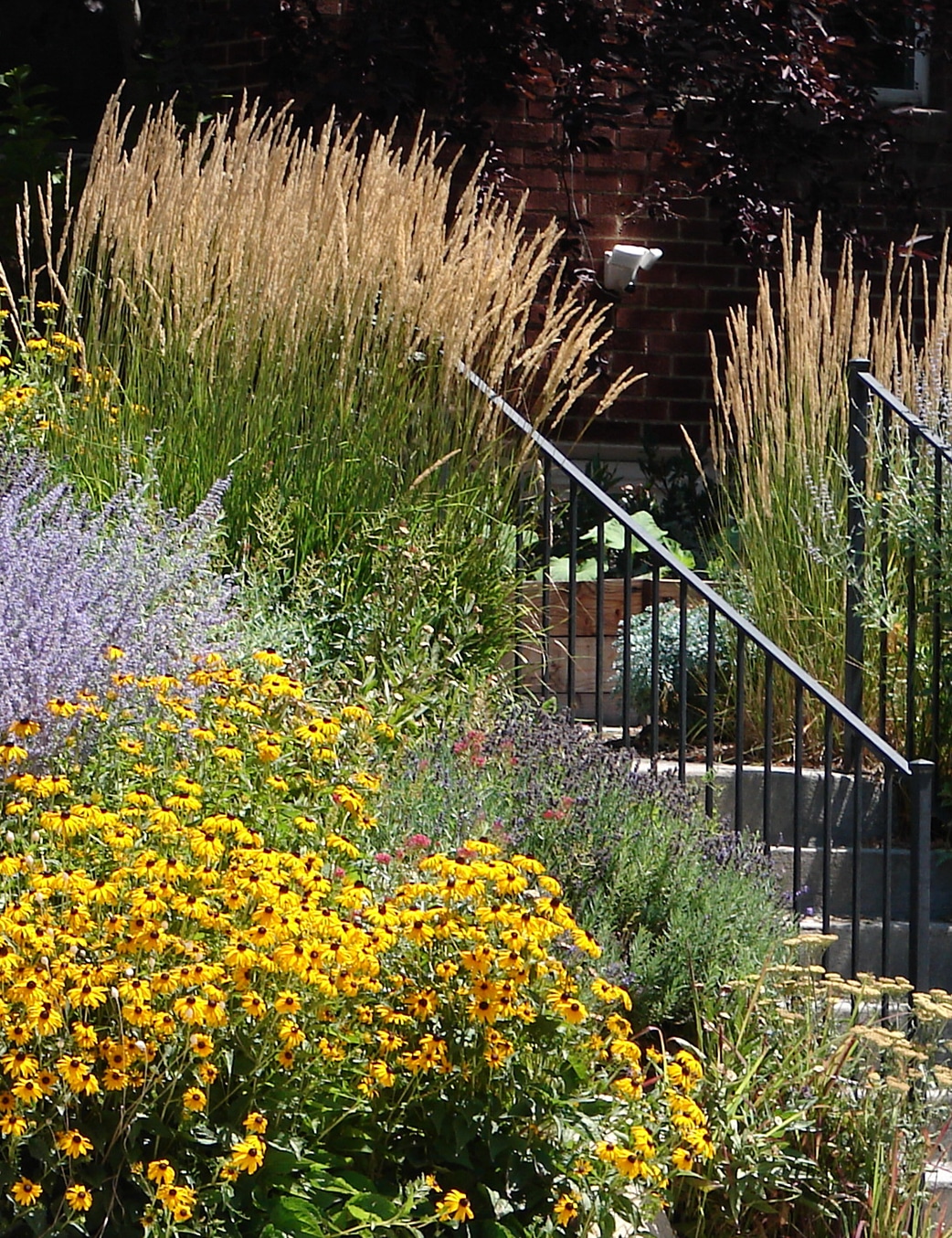
Ornamental grasses elevate any design—lining pathways, softening foundations, or anchoring container gardens. Their flowing shapes complement perennials and evergreens alike, making them a versatile choice for creating depth, contrast, and seasonal beauty in both formal and naturalistic settings.
Homeowners Love Grasses
With minimal care, ornamental grasses deliver dramatic visual appeal and ecological value. They thrive in drought, add interest through all four seasons, and support local wildlife and pollinators. It’s no wonder they’re a favorite among homeowners and landscapers alike.
Planting
Plant trees and shrubs in spring Ornamental grasses are easy to grow, but proper planting gives them the best start. Choose a location with full sun (at least 6 hours of direct light daily), and make sure the soil drains well. These grasses don’t like soggy roots!
When planting:
- Dig a hole about twice as wide as the root ball and just as deep
- Loosen the soil at the bottom and sides of the hole
- Place the plant at the same depth it was growing in its pot
- Backfill gently, firm the soil, and water deeply
Pro Tip: Give your grasses room to grow! Some varieties can reach 4–6 feet wide and tall at maturity.
Mulching
Mulch is your grass’s best friend, especially in its first season. Apply a 2–3 inch layer of organic mulch (like shredded hardwood or bark) around the base of the plant—but don’t pile it up against the crown.
Benefits of mulching include:
- Moisture retention
- Weed suppression
- Soil temperature regulation
- Winter protection for roots
- A tidy, finished look in your landscape
Pro Tip: Mulch also provides a beautiful contrast to the soft, flowing texture of the grasses as they grow.
Watering
Newly planted ornamental grasses need consistent moisture until their roots are established—especially in the heat of summer. Water deeply every 2–3 days during the first 2–3 weeks.
Once established, most ornamental grasses are:
- Drought-tolerant
- Low-maintenance
- Able to survive without regular irrigation
Even during droughts, many varieties will go dormant and bounce back once moisture returns.
Pro Tip: Don’t let young grasses dry out. On hot days, a dry plant can wilt or die in hours.
Pruning (Cutting Back)
Cutting back is essential to keep ornamental grasses looking their best year after year. The best time to do this is late winter to early spring—usually March in Nebraska—before new growth begins.
Here’s how:
- Use sharp pruners or hedge shears
- Tie the grass clump with string for easy cleanup
- Cut back to 2–4 inches above ground
- Remove old stalks to make way for fresh green blades
Pro Tip: In fall, plant bulbs like tulips or daffodils near your grasses. In spring, they’ll pop up and disguise any visible stubble after pruning.